
Kitchen sinks
Grease, food scraps and soap can build up in the trap and in the pipe behind the wall. A kitchen sink that gets slower week by week points to buildup further along the line.
A tub holding standing water, a kitchen sink that drains slowly or a basement floor drain that backs up all mean a blockage somewhere in the line. The plumber you hire clears it, whether it sits in a single trap or farther out in the lateral.
Clearing the sewer lateral counts as routine maintenance under the utility’s rules, as the section below explains.
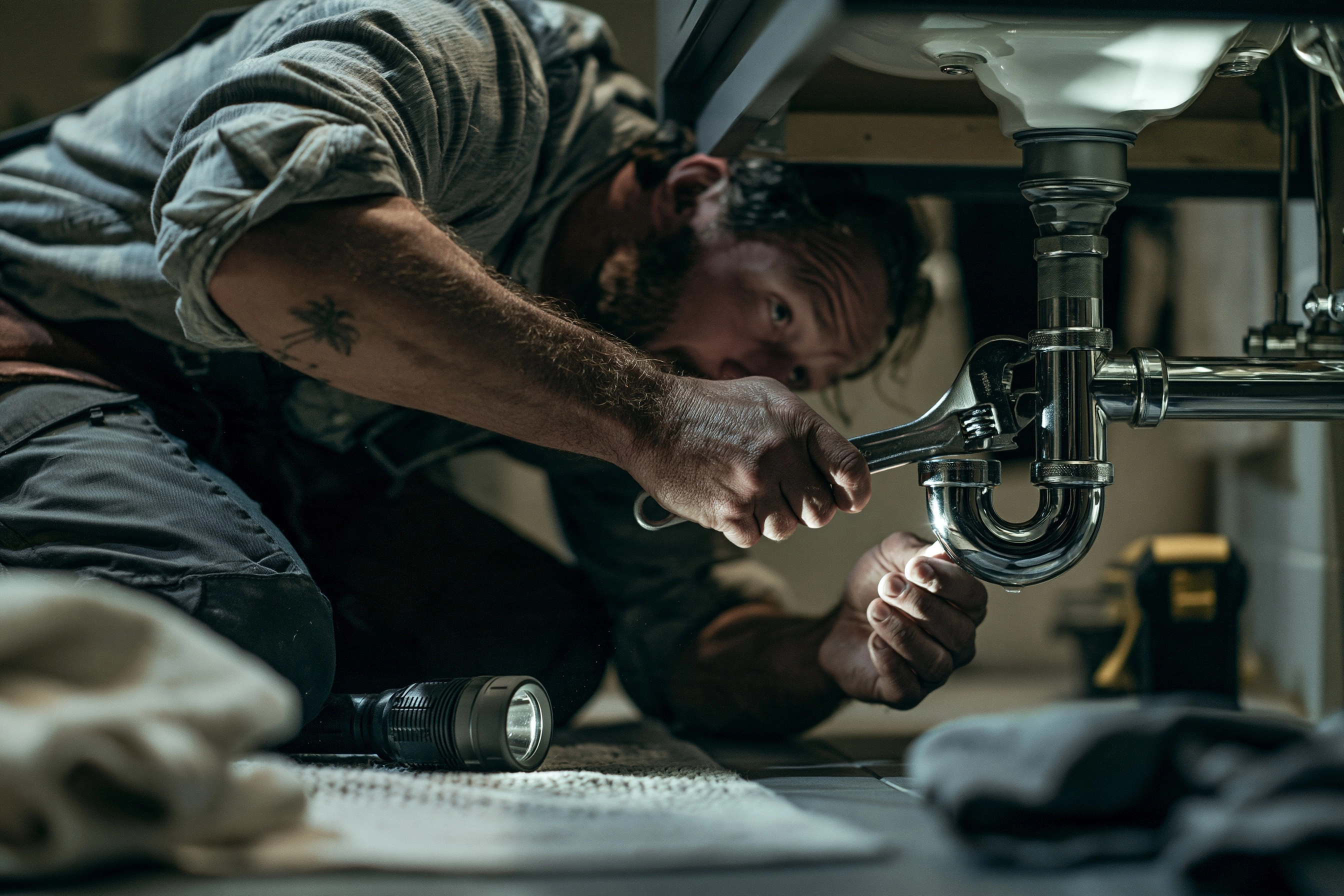
Grease, food scraps and soap can build up in the trap and in the pipe behind the wall. A kitchen sink that gets slower week by week points to buildup further along the line.
Hair and soap collect near the drain opening and in the trap. When only one fixture is slow, the clog is likely close to that fixture.
Lint from a washer can clog a laundry standpipe, and a basement floor drain that backs up can point to trouble in the main line.
If the washer drain, the tub and a toilet all slow down in the same week, or the basement floor drain is the first place water appears, the blockage sits beyond the branch pipes, in the main or the lateral.
Citizens Energy Group lets typical cleaning and maintenance of a sanitary sewer lateral, the pipe from your house to the main, go ahead without a permit. That covers snaking, cleaning and root removal.
Repairing or replacing the lateral is a different matter, and the sewer line repair page sets out the permit and the inspection that work needs.
A Citizens letter about a broken lateral or a missing cleanout cap is a sewer line repair matter, not a drain cleaning one. For worn faucet or toilet parts see fixture repair, and our home page carries the full menu.
Call us to discuss your current issue and how we can assist you. The call is free and you get a free, personalized estimate with no obligation. We're here to help.
Call (855) 321-3426